When your AC fails in the middle of a August heatwave or your furnace quits on a freezing night, you need a clear, actionable plan. Westchester emergency HVAC readiness is about more than a phone number—it’s about knowing what to do in the first minutes, how to protect your equipment, and how to get fast, reliable help in Port Chester. This homeowner’s emergency plan will help you prepare for a no cooling emergency, reduce stress, protect your system, and get your home comfortable again quickly.
Emergency HVAC situations in Port Chester tend to cluster around extreme weather. Summer brings spikes of demand that strain systems, leading to heatwave AC repair NY calls. Winter puts furnaces and heat pumps under heavy loads. In both cases, time matters. Whether you’re seeking same-day AC repair or after-hours HVAC repair, a proactive approach can prevent damage and shorten downtime.
What counts as an HVAC emergency?
- Sudden loss of cooling during a heatwave (especially with vulnerable occupants) System running but not cooling (“no cooling emergency” symptoms) Burning smells, smoke, or sparking from HVAC equipment Water leaking from indoor units or air handlers Total furnace failure in freezing conditions Repeated breaker trips when HVAC turns on
Step-by-step: Your Port Chester emergency https://home-cooling-rescue-for-energy-savings-essential-tips.theglensecret.com/how-to-pick-a-port-chester-ac-repair-company-with-emergency-availability plan 1) Stabilize the situation
- Turn off the system if there’s burning odor, smoke, or repeated breaker trips. For water leaks: Switch the system off and place towels or a tray to contain water. If you see ice on the evaporator coil or refrigerant lines, leave the system off and let it thaw. If you have a no cooling emergency but no obvious danger, set the thermostat to “Off” for 5 minutes, then restart on “Cool.” Sometimes a safety lockout resets.
2) Check the fast fixes
- Thermostat: Verify mode, setpoint, and fresh batteries. A mis-set schedule is often the culprit. Power: Check the HVAC breaker and any switch near the indoor unit. Reset once if tripped. Do not repeatedly reset. Airflow: Replace or clean the air filter. A clogged filter can cause icing, short cycling, or overheating. Outdoor unit: Clear debris, leaves, or snow from the condenser. Ensure at least 2–3 feet of clearance. Condensate: If your AC has a condensate safety switch, a full drain pan may shut the system down. Clear the drain if you can safely access it.
3) Document the symptoms
- Note noises (grinding, squealing, clicking), smells (burning, musty), and patterns (only at night, only on high humidity days). Record error codes from the thermostat or control board if visible. Take a quick photo or video of any leaks or ice buildup. This helps your technician diagnose faster, supporting truly fast AC repair Port Chester homeowners can rely on.
4) Call a trusted pro immediately
- Contact a local provider offering 24/7 HVAC services and residential emergency HVAC expertise. Ask if they provide same-day AC repair and urgent HVAC service in Port Chester specifically. If it’s outside normal hours, request after-hours HVAC repair and confirm any diagnostic fees upfront. Share your notes and photos so the tech can arrive prepared with the right parts.
5) Keep your home safe and comfortable while you wait

- Summer: Close blinds, run ceiling fans counterclockwise, use portable fans, and stay hydrated. If indoor temperatures rise dangerously or you have elderly, infant, or medically sensitive occupants, consider a temporary relocation until heatwave AC repair NY service arrives. Winter: Close off unused rooms, seal drafts, use safe space heaters as directed, and layer clothing. Never use ovens or grills for heat.
6) After the repair: Prevent the next emergency
- Schedule seasonal tune-ups before peak weather. Preventive maintenance is the best “fast AC repair Port Chester” strategy because it avoids urgent breakdowns. Replace filters every 1–3 months during heavy use. Keep shrubs trimmed around the condenser and ensure proper drainage around the home. Ask your contractor about surge protection and hard-start kits for older compressors. Consider a maintenance agreement for priority scheduling with Westchester emergency HVAC providers, which can be invaluable during regional spikes in demand.
Common emergency scenarios and what they mean
- AC runs but doesn’t cool: Likely low refrigerant, iced evaporator, dirty coil, or failed capacitor. Shut off if lines are iced. This is a no cooling emergency that calls for urgent HVAC service. System trips breaker on start: Potential shorted compressor, failing fan motor, or electrical fault. Do not keep resetting—call for after-hours HVAC repair if needed. Water near the air handler: Clogged condensate drain or frozen coil thawing. Shut off cooling to prevent ceiling damage and request same-day AC repair. Burning smell at furnace start: A brief dusty odor can be normal after long inactivity; persistent burning smells are not—turn off and call. Loud metallic screeching: Belt or bearing failures can cascade into major damage; shut down and seek residential emergency HVAC help.
Choosing the right emergency partner in Port Chester
- Local expertise: Port Chester’s coastal humidity and urban tree canopy can stress systems differently than inland areas. Choose a team with local load-calculation and airflow experience. True 24/7 availability: Verify that they provide 24/7 HVAC services with real dispatch, not just voicemail. Stocked vans and parts access: Faster first-visit fixes translate to fast AC repair Port Chester residents appreciate. Transparent pricing: Clear diagnostic fees, quotes, and warranty terms prevent surprises. Safety-first approach: Proper refrigerant handling, electrical testing, and combustion safety checks are non-negotiable.
Budgeting for emergencies
- Expect a diagnostic fee, which may be credited toward repairs. After-hours HVAC repair may include premium rates; ask before dispatch. Weigh repair vs. replace: If your system is 12–15 years old and needs a major component, consider efficiency gains from replacement, rebates, and utility incentives in Westchester County. Keep a small emergency fund specifically for HVAC; even a few hundred dollars can bridge the gap for immediate service.
Smart upgrades that reduce emergencies
- Smart thermostats with alerts for loss of cooling, filter reminders, or unusual runtime. Float switches and condensate safety devices to prevent water damage. Surge protectors for outdoor units to guard against summer thunderstorms. Zoning or ECM blower upgrades to improve comfort and reduce strain.
Seasonal checklist for Port Chester homeowners Spring/Summer:
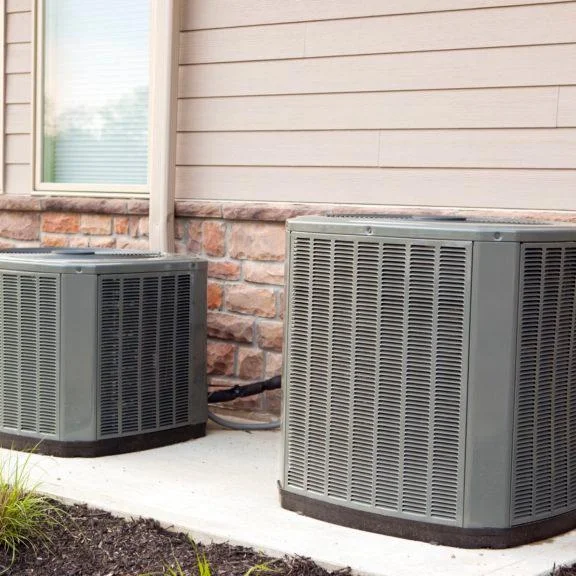
- Confirm refrigerant lines are insulated and intact. Hose off the condenser coil gently. Test cooling before the first heatwave to avoid the rush for heatwave AC repair NY services. Fall/Winter: Inspect flue pipes and carbon monoxide detectors. Replace furnace filters and vacuum returns. Test heat before the first cold snap.
The bottom line When temperatures spike or plunge, minutes matter. With a simple plan—stabilize, check the basics, document, call a trusted pro, and maintain—you’ll navigate emergencies with confidence. Keep contact info for a reliable Westchester emergency HVAC provider handy. If you face a no cooling emergency, don’t hesitate to request urgent HVAC service, whether you need same-day AC repair during business hours or after-hours HVAC repair late at night. Preparedness is your best tool for keeping your Port Chester home safe, comfortable, and protected year-round.
Questions and Answers
Q1: How do I know if I need emergency AC repair Port Chester or if it can wait? A1: If temperatures are dangerously high, there’s a burning smell, water is leaking, breakers are tripping, or there’s vulnerable occupants, treat it as an emergency. Otherwise, try basic checks (filter, thermostat, breaker) and call for guidance.
Q2: What should I tell the technician to speed up service? A2: Provide your system brand/model, age, symptoms, any error codes, recent maintenance, photos of leaks/ice, and confirm you need fast AC repair Port Chester with 24/7 HVAC services if applicable.
Q3: Can I run the AC if the outdoor unit is iced? A3: No. Turn it off to let ice thaw and check the filter. Running it can damage the compressor. Schedule urgent HVAC service or same-day AC repair.
Q4: Are after-hours HVAC repair rates higher? A4: Often yes. Ask about diagnostic and after-hours fees when you call a Westchester emergency HVAC provider so you can make an informed decision.
Q5: What maintenance most often prevents a no cooling emergency? A5: Regular filter changes, annual tune-ups, clean condenser coils, clear condensate drains, and prompt attention to unusual noises or performance drops.